The Digital Chef: A 7-Step Guide to Cooking Up a Website
Authors

Founding Engineer
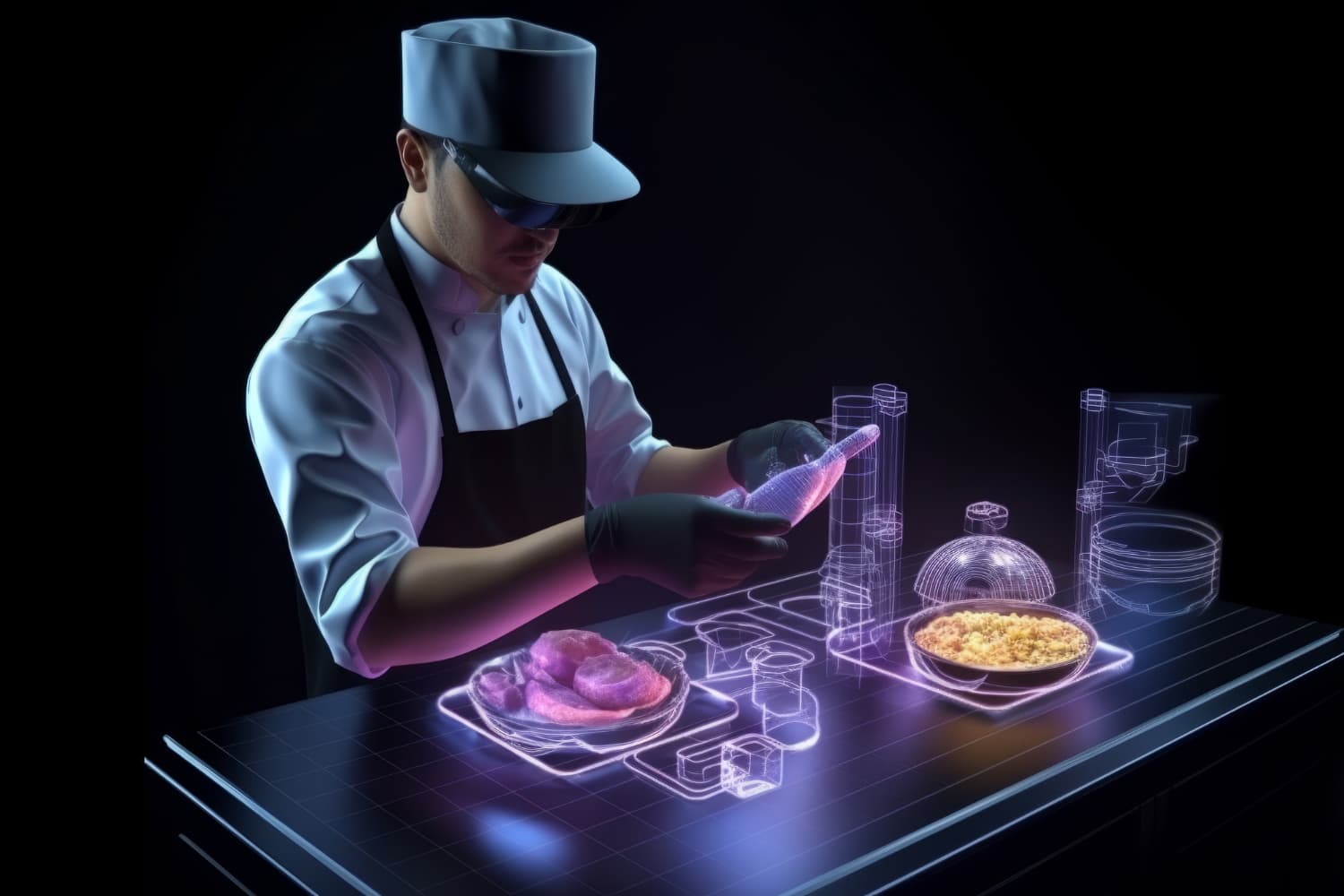
Building a modern web application is exactly like opening a new restaurant. You need a structure, a visual theme, a functioning kitchen, and a way to serve your customers.
The Digital Chef: A 7-Step Guide to Cooking Up a Website
Building a modern web application is exactly like opening a new restaurant. You need a structure, a visual theme, a functioning kitchen, and a way to serve your customers.
Here is your Menu for Success (The Roadmap):
1. HTML: The Blueprint
2. CSS: The Interior Design
3. JavaScript: The Staff & Electricity
4. Git: The Master Recipe Book
5. Frameworks: The Industrial Kitchen
6. Testing: The Health Inspection
7. Deployment: The Grand Opening
1. HTML: The Blueprint 🏗️
Before you paint the walls, you need to build them.
The Restaurant Analogy:
This is the bare concrete structure. You decide where the kitchen is, where the doors are, and where the tables go. It's not pretty, but it's essential.
The Tech:
HTML (HyperText Markup Language) tells the browser what is on the page. It is the skeleton.
"Content is King, but HTML is the castle."
<header>
  <h1>Welcome to Chez Code</h1>
  <button>View Menu</button>
</header>
2. CSS: The Interior Design 🎨
Nobody wants to eat in a concrete box. It's time to decorate.
The Restaurant Analogy:
You are now picking the wallpaper, the lighting, the table cloths, and the fonts on the menu. You are setting the vibe.
The Tech:
CSS (Cascading Style Sheets) controls how the HTML looks. It handles colors, spacing, and layout.
/* The Makeover */
h1 {
  font-family: 'Fancy Serif', serif;
  color: #Gold;
  text-align: center;
}

button {
  background-color: tomato;
  border-radius: 5px;
}
3. JavaScript: The Staff & Electricity ⚡
A beautiful room is useless if the lights don't work and no one takes your order.
The Restaurant Analogy:
This is the interactivity. When a customer raises their hand (clicks a button), the waiter comes over (a function runs). It's the logic that makes the restaurant run.
The Tech:
JavaScript makes the page dynamic. It handles user interactions, fetches data, and updates the page without reloading.
"HTML is the noun, CSS is the adjective, JavaScript is the verb."
// The Logic
const button = document.querySelector('button');
button.addEventListener('click', () => {
  alert('Here is the delicious menu!');
});
4. Git: The Master Recipe Book 📖
What happens if you change the soup recipe and it tastes terrible? You need to go back to the old version.
The Restaurant Analogy:
You keep a detailed log of every recipe change. If the new "Spicy Soup" is a disaster, you can instantly revert to yesterday's "Mild Soup" recipe.
The Tech:
Git is a version control system. It saves "snapshots" of your code. GitHub is the cloud storage where you keep these snapshots safe.
# 1. Initialize your recipe book (Create a new repo)
git init

# 2. Add ingredients to the staging area (Prepare files for saving)
git add .

# 3. Save the recipe in the book (Commit the changes)
git commit -m "Added the spicy pasta recipe"

# 4. Upload to the cloud library (Push to GitHub)
git push origin main
5. Frameworks (React/Vue): The Industrial Kitchen 🍳
Chopping every onion by hand is fine for a home cook, but too slow for a busy restaurant.
The Restaurant Analogy:
You stop using a pocket knife and buy an industrial food processor. You use pre-made stations to assemble dishes faster and more consistently.
The Tech:
Frameworks like React, Vue, or Angular give you reusable "components." Instead of coding a navigation bar 10 times, you code it once and paste it wherever you need it.
// React Component (Reusable Code)
function MenuItem({ name, price }) {
  return (
    <div className="card">
      <h2>{name}</h2>
      <p>${price}</p>
    </div>
  );
}
6. Testing: The Health Inspection 📋
You never serve a dish without tasting it first.
The Restaurant Analogy:
Before the doors open, the head chef tastes the sauce (Unit Testing) and creates a mock dinner service to ensure the waiters don't crash into each other (Integration Testing).
The Tech:
We write code to test our code. Tools like Jest or Cypress automatically check if the "Login" button actually logs the user in.
// The Function we are testing (The Dish)
function makeBurger(ingredient) {
  if (ingredient === "beef") {
    return "Delicious Burger";
  } else {
    return "Sad Sandwich";
  }
}

// The Test (The Health Inspector)
test('checks if the chef makes a real burger', () => {
  // We expect that when we order with 'beef', we get a 'Delicious Burger'
  expect(makeBurger("beef")).toBe("Delicious Burger");
});
7. Deployment: The Grand Opening 🚀
Everything is ready. It's time to unlock the doors.
The Restaurant Analogy:
You buy a plot of land (Hosting), hang your sign (Domain Name), and let the public in.
The Tech:
Deployment pushes your code from your computer to the internet.
- ●Netlify/Vercel: Like renting a pop-up shop (easy, fast, great for starters)
- ●AWS/Azure: Like building a massive skyscraper (complex, powerful)
Conclusion: The Chef's Secret 👨🍳
Don't try to build a 5-star restaurant on your first day.
In the tech world, we call this an MVP (Minimum Viable Product).
- ●Start with a Food Truck: Don't build the next Facebook. Build a simple personal portfolio.
- ●Expect Burnt Toast: You will write bugs. That's not failure; that's just part of the cooking process. Fix it and move on.
- ●Ingredients are Free: Unlike a real restaurant, your ingredients (code) cost nothing. You can experiment endlessly without losing money.
"The only difference between a Senior Developer and a Junior Developer is that the Senior has broken more things."